With MOON ATS Launch, OTC Markets Group Lights the Way to Overnight Tradings Bright Future OTC Markets Blog
Content
Detailed order data is also available in end-of-day flat files, making it simple to analyze historical trends and back-test strategies. By connecting to MOON ATS, broker-dealers will be able to tap into booming global investor otc markets demand for well-known mega-caps and ETFs in the US-listed market. Another notable difference between the two is that on an exchange, supply and demand determine the price of the assets. In OTC markets, the broker-dealer determines the security’s price, which means less transparency.
- The over-the-counter (OTC) market is a decentralized market where stocks, bonds, derivatives, currencies, and so on are traded directly between counterparties.
- The shares for many major foreign companies trade OTC in the U.S. through American depositary receipts (ADRs).
- What’s more, the quoted prices may not be as readily available—with less liquidity, these stocks are prone to big swings in prices.
- OTC markets are most suitable for investors who are comfortable with risk, and/or interested in diversifying their portfolios through access to foreign markets, said Pickron, who’s also the CEO of Asset Achievers, based in Dallas.
- Unlike stocks or commodities, forex trading occurs only over-the-counter (OTC).
How can I buy stocks on OTC Markets?
The Over-The-Counter (OTC) market, a decentralized trading hub, provides diverse opportunities for a wide range of financial instruments. Its unique structure, distinct from standard exchanges, caters to participants who benefit from direct, flexible transactions. A plethora of financial instruments are traded over-the-counter, including stocks, bonds, derivatives, and commodities. The New York Stock Exchange in late October announced it aims to implement 22/5 trading https://www.xcritical.com/ on its Arca exchange, a key listings destination for exchange-traded products, pending regulatory approval.
With MOON ATS Launch, OTC Markets Group Lights the Way to Overnight Trading’s Bright Future
Let’s say a small company wants to sell its stock but doesn’t meet the prerequisites of an exchange, such as reaching a minimum share price or having a certain number of shareholders. This may influence which products we review and write about (and where those products appear on the site), but it in no way affects our recommendations or advice, which are grounded in thousands of hours of research. Our partners cannot pay us to guarantee favorable reviews of their products or services. We believe everyone should be able to make Constant function market maker financial decisions with confidence. And while our site doesn’t feature every company or financial product available on the market, we’re proud that the guidance we offer, the information we provide and the tools we create are objective, independent, straightforward — and free. You’ll also find stocks on the OTC markets that cannot list on the NYSE or the Nasdaq for legal or regulatory reasons.
Do you already work with a financial advisor?
In fact, the ability to trade against market-moving information across regions in real time is just one lure enticing more professional traders into the overnight fray. That panoramic view of global market activity could yield superior insights into retail-trading trends in the overnight space across regions as they unfold, allowing broker-dealers to better understand how to enhance their offerings. In addition, OTC Markets’ data feeds provide access to order-by-order information on all securities transacted via the firm’s overnight platforms.
Year over Year – European Cross-Traded Securities Volume Surges by 27.7%
The DTCC and the NSCC, which provide clearing, settlement, risk-management, and trade-reporting services to market participants, recently extended their own hours to clear overnight trades on platforms like OTC Overnight and Blue Ocean. In addition to the decentralized nature of the OTC market, a key difference is the amount of information that companies make available to investors. When stocks are listed on formal exchanges, investors can typically access a great deal more information on them, including reports written by Wall Street analysts, company news and filings, and real-time trading data.
The trade is executed directly between MegaFund and OTC Securities Group through a private negotiation. No public announcement is made about the transaction, and the price isn’t displayed on any exchange. If you’re interested in OTC trading, the first step is to consider how much risk you’re willing to take on and how much money you’re willing to invest. Having a baseline for both can help you to manage risk and minimize your potential for losses. Investing can be risky in general, but the risks may be heightened with trading OTC stocks. But trading higher risk stocks could result in bigger rewards if they’re able to produce above-average returns.
There’s a possibility that there could be fraud at the very lowest level of the pink sheet market,” he says. OTC markets offer the chance to find hidden gems, but also the potential to wind up stuck in a scam stock that you are unable to sell before it becomes worthless. But for investors willing to do the legwork, the OTC markets offer opportunities beyond the big exchanges. For investors considering OTC securities, it is crucial to conduct thorough due diligence, understand the hazards involved, and decide on investments with an eye toward your investment goals and risk tolerance. Seeking the guidance of a qualified financial professional can also help you navigate the complexities of these markets. Investing in OTC markets carries significant risks that investors should be aware of before trading there.
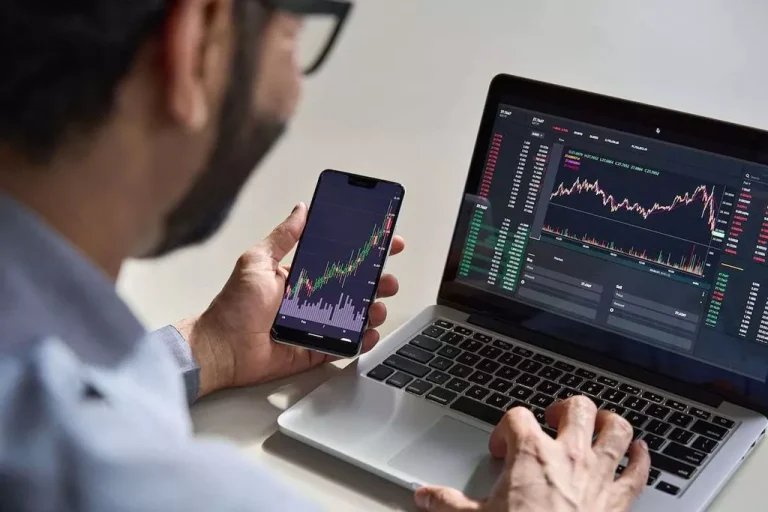
Do your due diligence and find a broker that allows OTC trading, then research the industry or security you’re interested in. Of the brokers we review, Robinhood, SoFi Active Investing and Merrill Edge earn the highest marks for their OTC securities offerings. If you want to compare other brokers, check out the best brokers for stock trading. The OTC marketplace is an alternative for small companies or those who do not want to list or cannot list on the standard exchanges.
A wide range of financial instruments are traded in the OTC market, including stocks, bonds, derivatives (such as swaps and options), and commodities like gold or oil. The decentralized nature of the OTC market and the limited number of participants compared to major exchanges can result in lower liquidity, making it more challenging to execute trades at desired prices. The Over-The-Counter (OTC) Market refers to a decentralized marketplace where financial instruments, such as stocks, bonds, derivatives, and commodities, are traded directly between two parties without the oversight of a centralized exchange. It has logged 500% growth in overnight-trading volumes in the service’s first year of operation.

For information pertaining to the registration status of 11 Financial, please contact the state securities regulators for those states in which 11 Financial maintains a registration filing. Changes in economic conditions, geopolitical events, or investor sentiment can lead to increased volatility and price fluctuations in OTC instruments, potentially impacting the value of investments. The OTC derivatives market is vast, with instruments like swaps and options offering participants the chance to hedge risks or speculate on future price movements. In certain cases, parties may also enlist the help of OTC brokers who facilitate transactions and offer liquidity, making the OTC market an intriguing blend of self-regulation and broker-based trading. Moreover, on OTC Markets, it is possible to find investment products that are not presented on securities exchanges (e.g., bonds, derivatives, cryptocurrencies, etc.). What’s more, with less publicly available information about the financials of the related company, investors must be comfortable with the inherently speculative nature of investing in this market.
For instance, to be listed on the Best Market or the Venture Market, companies have to provide certain financial information, and disclosures must be current. The OTC market is where securities trade via a broker-dealer network instead of on a centralized exchange like the New York Stock Exchange. Over-the-counter trading can involve stocks, bonds, and derivatives, which are financial contracts that derive their value from an underlying asset such as a commodity. Because they trade like most other stocks, you can buy and sell OTC stocks through most major online brokers. To buy shares of an OTC stock, you’ll need to know the company’s ticker symbol and have enough money in your brokerage account to buy the desired number of shares.
Finance Strategists is a leading financial education organization that connects people with financial professionals, priding itself on providing accurate and reliable financial information to millions of readers each year. Our team of reviewers are established professionals with decades of experience in areas of personal finance and hold many advanced degrees and certifications. The transformative impact of technology, from electronic trading to blockchain and beyond, underscores the OTC market’s dynamic nature, promising a future of enhanced efficiency and novel possibilities.
The tiers also give no indication of the investment merits of the company and should not be construed as a recommendation. There are benefits of OTC securities, but consider the risks involved, and decide whether they align with your financial goals. OTC markets provide opportunities for bigger moves, but because of reduced regulation, the reverse could also happen, Soscia says.

Although OTC networks are not formal exchanges, they still have eligibility requirements determined by the SEC. The foreign exchange (forex) market is the largest and most liquid financial market globally. Unlike stocks or commodities, forex trading occurs only over-the-counter (OTC). However, it also exposes traders to counterparty risk, as transactions rely on the other party’s creditworthiness. As mentioned, an OTC stock is one that trades outside of a traditional public stock exchange. As such, in order to grasp OTC stock trading and how it works, it helps to have a clear understanding of public stock exchanges.
Like other OTC markets, due diligence is needed to avoid fraud endemic to parts of this trading world. This content may include information about products, features, and/or services that SoFi does not provide and is intended to be educational in nature. The advent of electronic trading has streamlined transactions and enhanced transparency. Emerging technologies like blockchain and distributed ledger technology (DLT) promise to improve transparency further, expedite settlement, and reduce counterparty risk. Future advancements like artificial intelligence and machine learning also offer exciting potential applications. Despite its decentralized nature, the OTC market is regulated by various bodies.
No Comments