Exploring the psychology behind casino gambling Why do we play
The Thrill of Uncertainty
The excitement inherent in casino gambling primarily stems from the unpredictability of outcomes. Players are drawn to the prospect of striking it rich with just a single spin of the wheel or a flip of a card. This uncertainty creates a rush of adrenaline, often referred to as a “gambling high,” which can be addictive. In fact, if you want to learn more about effective strategies and resources, jechoisismontreal.com is a great place to start. The psychological phenomenon known as the ‘near-miss effect’ also keeps players engaged, as they experience a heightened sense of anticipation when they come close to winning, making them more likely to continue playing.

Moreover, the illusion of control plays a significant role in the psychology of gambling. Many players convince themselves that their skill or strategy can influence the outcome of a game, particularly in card games like poker or blackjack. This belief can lead to an enduring cycle of hope, as players think that with just a bit more effort, they can beat the odds.
The Social Aspect of Gambling
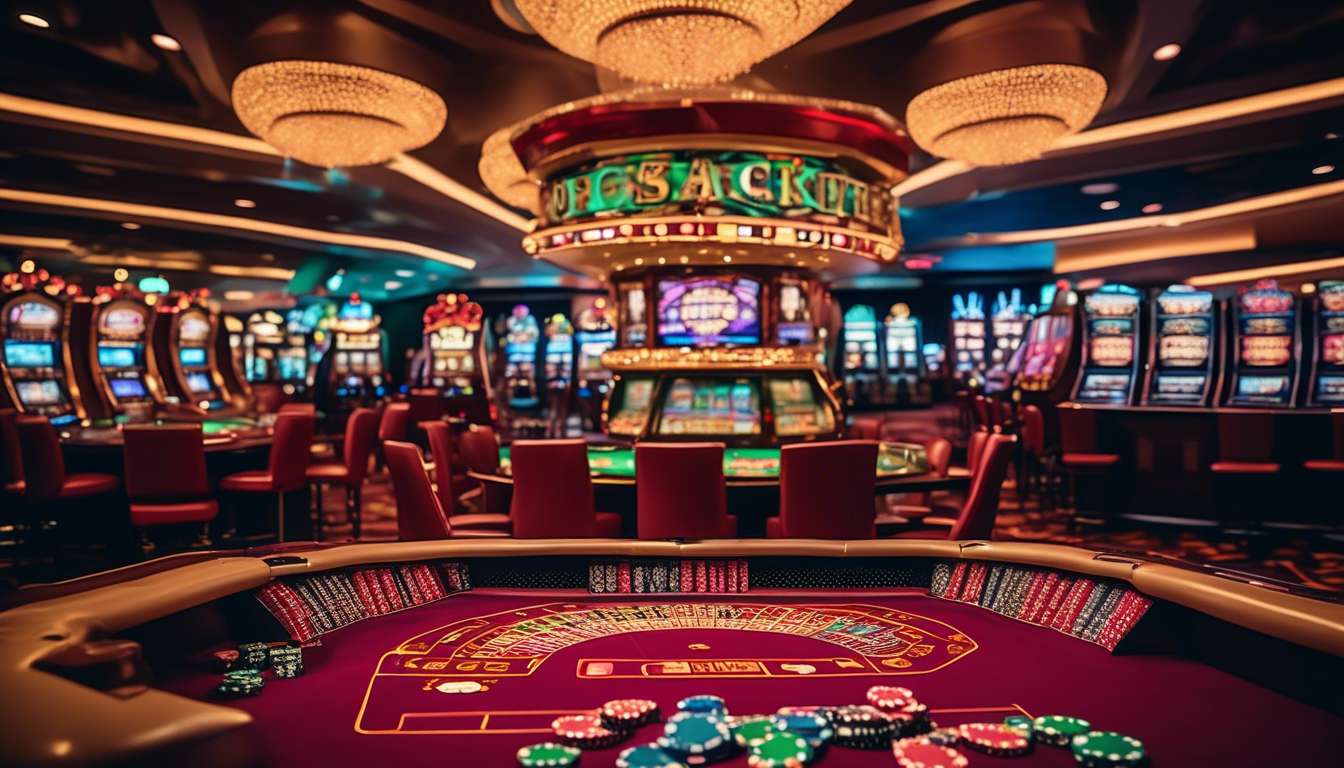
Casino environments are designed to be engaging and social. The vibrant atmosphere, coupled with music, lights, and the presence of other players, fosters a sense of community. The social interaction found in casinos can be a significant motivation for many, as they seek to bond with friends or meet new people while enjoying the thrill of gambling.
This social element can amplify the allure of gambling. Sharing experiences with others, celebrating wins, or commiserating over losses creates a shared narrative that enhances the enjoyment of the activity. Additionally, casinos often host events and tournaments that further encourage camaraderie and competition, making the experience more than just about winning money.
The Role of Cognitive Biases
Cognitive biases significantly impact the behavior of gamblers, leading them to make irrational decisions. For instance, the ‘gambler’s fallacy’ leads players to believe that past events influence future outcomes, such as thinking a slot machine is “due” for a win after a series of losses. This false belief can perpetuate gambling behavior, as players chase perceived fortunes.
Another cognitive bias is the ‘sunk cost fallacy,’ where players continue to gamble to recover their losses, believing that they must keep playing to turn their luck around. These biases highlight how our emotions and thought patterns can shape our gambling experiences, often leading to a cycle of continued play despite financial setbacks.
Understanding the Risks and Rewards
While the potential for winning large sums of money attracts many to casinos, it’s essential to understand the risks involved. The thrill of a big win can overshadow the reality of long-term losses, making it critical for players to recognize their limits. Understanding the odds and the house edge is crucial in fostering responsible gambling habits.
Casinos employ various strategies to keep players engaged, such as offering complimentary drinks and rewards programs. However, the psychological impact of these incentives can sometimes lead to overindulgence. Awareness of these risks is necessary for anyone looking to partake in casino gambling, ensuring that the experience remains enjoyable and does not spiral into harmful behavior.
Engaging with Our Community
At our website, we are dedicated to providing insightful resources and information about casino gambling and its multifaceted nature. We understand that exploring the psychology behind gambling can enhance the experience for many players, leading to healthier habits and more informed decisions.
By fostering a community that values discussion, education, and support, we aim to empower individuals to navigate their gambling experiences with confidence. Whether you are a seasoned player or a newcomer, our goal is to offer valuable insights that enrich your understanding and enjoyment of casino gambling.