Exploring the psychology behind casino gambling Why do people take risks
The Thrill of Uncertainty
The allure of casino gambling often lies in the excitement of uncertainty. For many, the possibility of winning a substantial amount of money creates a rush that is hard to replicate in everyday life. This thrill is deeply rooted in human psychology, where uncertainty can evoke strong emotional responses. The idea of risk-taking stimulates adrenaline production, leading to heightened feelings of pleasure and exhilaration. Many participants choose to enhance their fitness on the side, engaging in classes like trx training to help improve overall well-being.
Moreover, this unpredictability plays a crucial role in engagement. Gamblers frequently find themselves caught in a cycle where they chase wins or seek to overcome losses, further fueling their desire for risk. The brain releases dopamine during these moments, reinforcing the behavior and leading participants to return for more, despite the potential for negative consequences.
The Role of Cognitive Biases
Cognitive biases significantly shape gambling behavior, often leading individuals to make irrational decisions. For instance, the gambler’s fallacy—a belief that future probabilities are altered by past events—can cause people to continue gambling, convinced that a win is due after a series of losses. This flawed reasoning can result in increased risk-taking, as individuals feel compelled to play just one more round in hopes of reversing their fortune.
Additionally, the illusion of control plays a vital role in gambling psychology. Many believe they can influence outcomes through skill or strategy, particularly in games like poker or blackjack. This perception fosters a sense of empowerment, making players more inclined to take risks, even when the odds are not in their favor.
The Social Aspect of Gambling
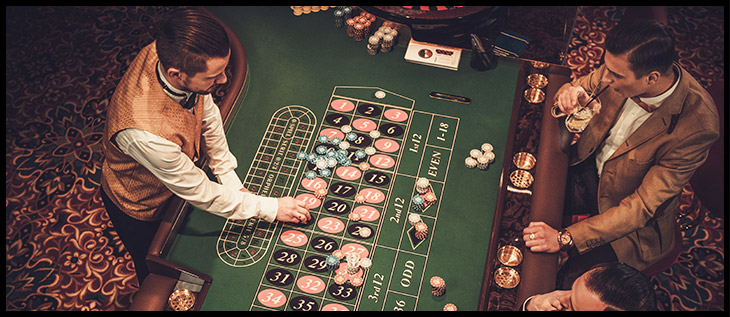
Gambling is inherently a social activity, often attracting individuals who seek companionship and shared experiences. The environment of a casino—vibrant lights, sounds, and the presence of other players—creates an exhilarating atmosphere that encourages risk-taking. People often gamble in groups, which can lead to a shared sense of excitement and sometimes even elevate the level of risk they are willing to take.
Furthermore, social validation can reinforce gambling habits. Many people feel a sense of belonging when participating in group gambling activities, making them less likely to recognize the potential dangers of their behavior. This social reinforcement can perpetuate gambling as a form of entertainment and escapism, further entwining individuals in the cycle of risk-taking.
Emotional Withdrawal and Escape
For some, gambling serves as a means of emotional escape. Individuals facing stress, anxiety, or depression may turn to casinos as a way to temporarily forget their problems. The immersive nature of gambling allows them to disconnect from reality, often leading to more significant risks as they seek relief from their emotional turmoil.
This escape can be dangerous, as it may cultivate a dependency on gambling for emotional regulation. Over time, individuals may find themselves taking increasingly bigger risks in an effort to chase the feelings of euphoria they experience when gambling, which can quickly spiral into addiction.
Conclusion: Understanding Casino Psychology
The psychology behind casino gambling is complex, intertwining thrill-seeking behavior, cognitive biases, social influences, and emotional needs. Recognizing these factors is essential for understanding why individuals take risks in gambling environments. The casino industry capitalizes on these psychological elements, continuously crafting experiences that draw players back.
In conclusion, exploring the psychology of casino gambling reveals a multifaceted landscape driven by innate human behaviors and needs. Whether it’s for the thrill, social interaction, or emotional escape, understanding these motivations is crucial for both players and those seeking to comprehend the phenomenon of risk-taking in gambling.